
From Jumping a Fence to Becoming Visible: Aliyah’s Story of Survival, Community and Advocacy
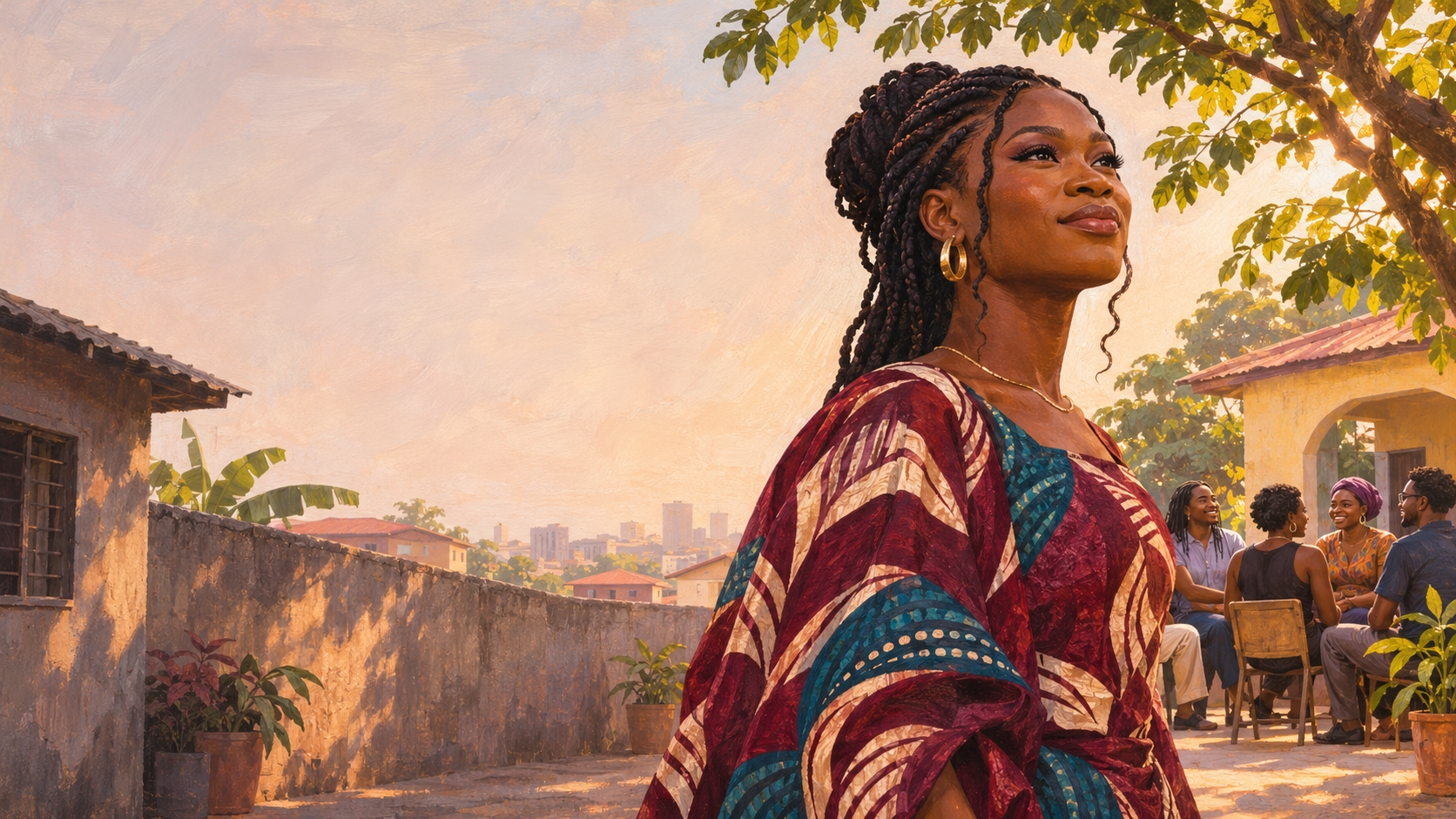
There was a time when leaving home meant jumping a fence.
It was not an act of rebellion. It was survival.
Growing up in a conservative state and a deeply religious environment in Nigeria, I was a little girl who believed in her dreams, even when the world around me gave me many reasons to doubt them. I hoped for a life where I could be seen, live freely and make a meaningful contribution to my community.
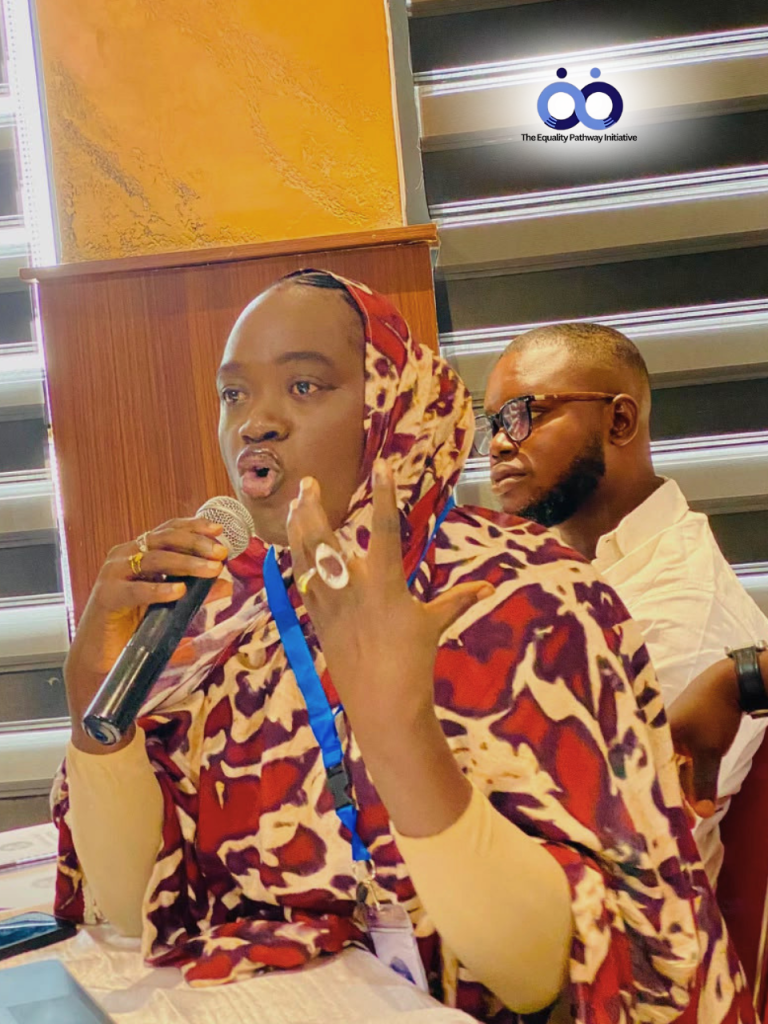
But as I grew older, I was made to feel that who I was could never be accepted. I lived with self-stigma, family abuse and the constant burden of being told that I was an abomination, a curse or a disappointment. The words came through conversations, insults, hate speech and rejection. At home, the pressure became unbearable, especially as my father’s disapproval intensified. Eventually, I had to leave in search of safety and a chance to breathe.
Life was never rosy.
Like many transgender people, I faced limited livelihood opportunities because of my gender identity. Finding my place as a young community advocate was not easy. I endured abuse from people I should have been able to trust, experienced conversion practices and went through periods when I struggled deeply with my mental health and sense of hope.
Yet, I kept going.
Finding chosen family helped me begin to reclaim my confidence. It gave me people who affirmed my humanity and reminded me that I deserved love, safety and community. It helped me rebuild trust, shape my relationships with loved ones and create space to express myself without fear.
Becoming Aliyah has never been easy. I was told that this body did not fit me. I was told that I would never make it. I was told that being transgender in Nigeria was a bad idea. But I continued learning, growing and finding my way into spaces where people like me were rarely represented. I kept showing up for myself and for my community.
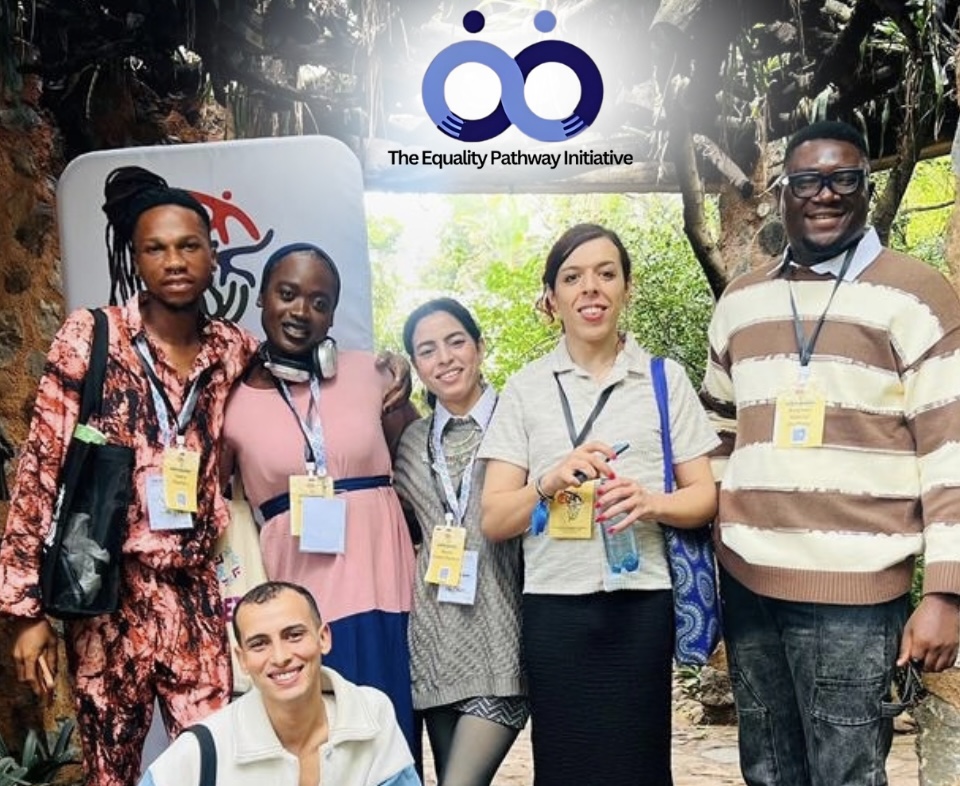
Today, I am a visible and recognised transgender woman, advocate and community leader in Nigeria and beyond. My visibility does not remove the risks that trans people face every day. It does, however, affirm a truth that cannot be ignored. We are here. Our lives matter. We deserve to participate in decisions about our lives, our safety and our future.
Remembering Trans Lives
As we observe Trans Remembrance Week, we honour transgender people whose lives have been lost to violence, stigma, neglect and exclusion. We remember their dreams, contributions and the communities that loved them.
Remembrance must also lead us to action
We cannot mourn trans lives while accepting systems that make survival difficult. We cannot speak about inclusion while shelters deny people safety, healthcare services treat trans people with disrespect, or reports of violence are ignored. We cannot keep collecting trans people’s experiences for research and reports while sidelining us from the decisions that shape programmes and policies.
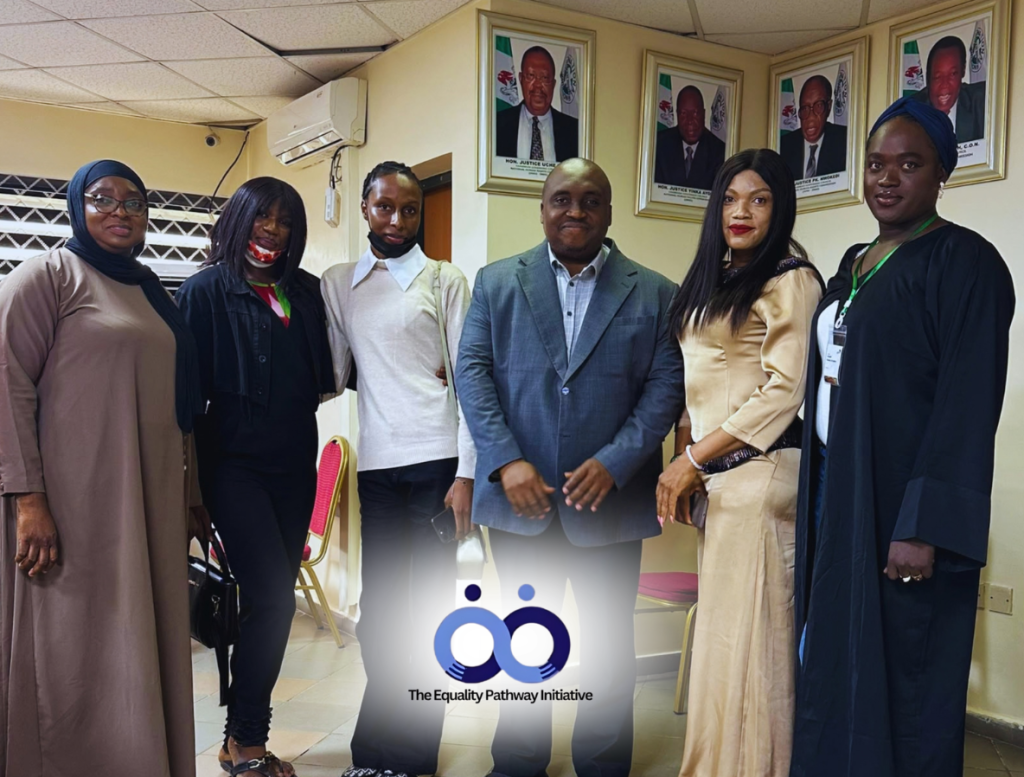
Trans people must be recognised as leaders, experts in our own lives and partners in creating meaningful solutions.
Carrying This Commitment Into the 16 Days of Activism
As we prepare to mark this year’s 16 Days of Activism Against Gender-Based Violence, I call for greater attention to the violence, hate speech and discrimination that trans people face.
For someone seeking safety after violence, a shelter that will welcome them, a stable place to live, and access to respectful healthcare and comprehensive mental health support can make all the difference. Barriers to obtaining identity documents can put that support even further out of reach.
I call on government institutions and civil society organisations to take reports of violence seriously and ensure that trans people can access essential services without discrimination. Too often, we are asked to share painful experiences for research and reports, then sidelined when decisions are made. Trans people must help set priorities from the start, and trans-led organisations must have the funding and authority to shape the programmes and policies that affect our lives.
To our allies, challenge hate speech when you hear it, including among people you know and respect. Speak up in rooms we are still excluded from. Use your influence to open doors so trans people can speak for ourselves. Support trans-led work with resources, partnership and sustained solidarity.
My journey from jumping a fence to becoming a visible woman and advocate did not happen because the barriers disappeared. It happened because I found people who chose care over cruelty, community over isolation and possibility over hopelessness.
Every transgender person deserves that chance.
You can be an ally without having to know me.