

Senegal Doubles Penalties for Same-Sex Relations: What This Means for Queer People
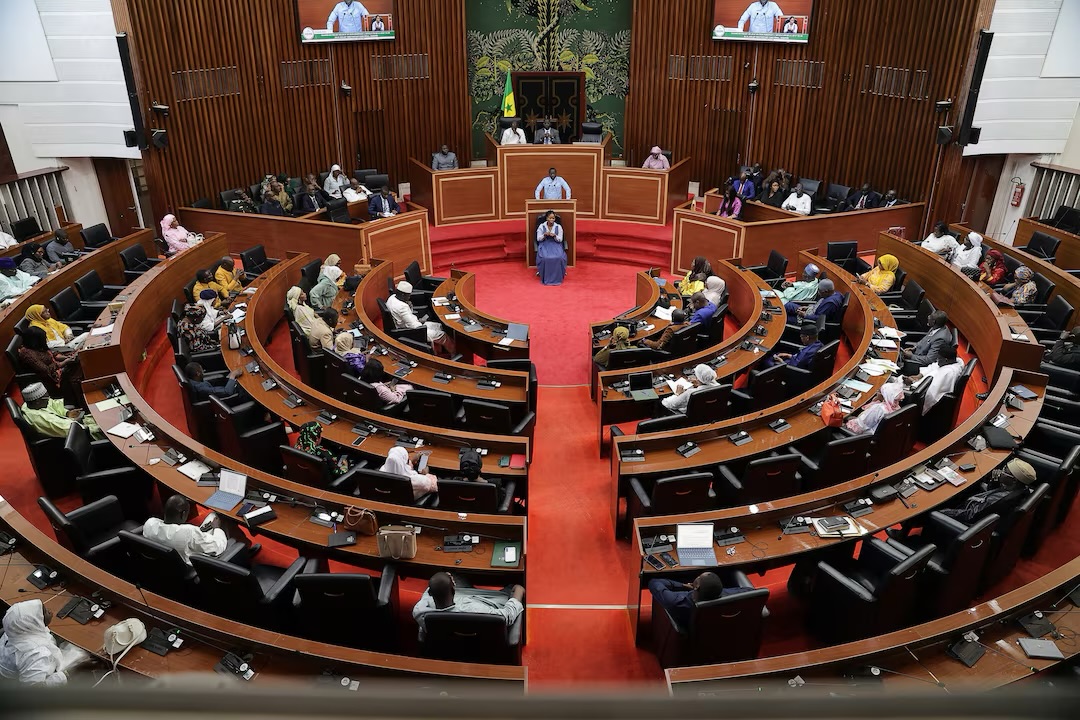
Senegal’s National Assembly has passed a controversial law that doubles the maximum prison sentence for same-sex relations from five years to ten years, marking one of the country’s most significant escalations in anti-LGBT legislation in decades.
The bill passed overwhelmingly, with 135 lawmakers voting in favor, none opposing, and three abstaining, and it also raises financial penalties to as much as 10 million CFA francs (about $17,000). (Reuters)
In addition to criminalizing same-sex acts, the legislation broadens penalties for the promotion or financing of homosexuality, signaling a broader crackdown that could affect activists, media, and community organizers.
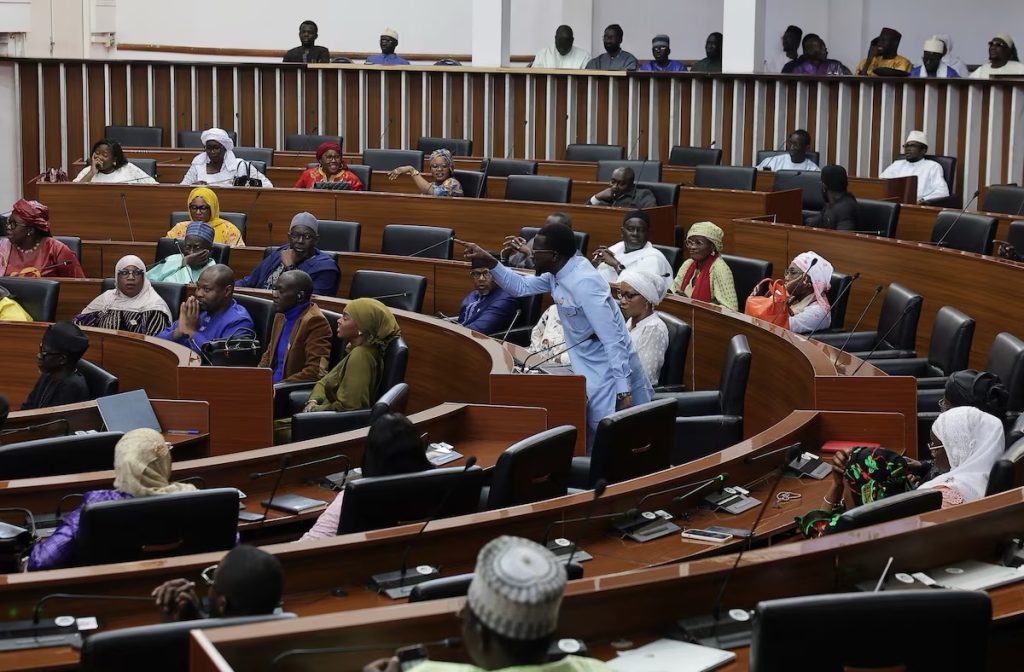
El Hadj Ababacar Tambedou addresses parliament during a debate on a proposed bill that would increase the maximum prison sentence for same-sex sexual acts to 10 years and criminalize the promotion of homosexuality, in Dakar, Senegal, on March 11, 2026.
The law is expected to receive final approval from President Bassirou Diomaye Faye, following a push from the government and its allies in parliament.
A Long Legal History of Criminalization
The new law does not emerge in isolation. Senegal has criminalized same-sex relations for decades.
Under Article 319 of the Senegalese Penal Code, consensual same-sex relations were already punishable by one to five years in prison and financial fines.
This provision dates back to the 1965 penal code, which criminalized what the law describes as “acts against nature.” (Human Dignity Trust)
Over the years, the law has been used to justify arrests and harassment of LGBTQ people and those perceived to be queer. Human rights organizations have repeatedly warned that such laws increase stigma and expose sexual minorities to violence and abuse.
Recent arrests in early 2026, including the detention of several men accused of same-sex relations intensified political pressure within Senegal to strengthen existing laws.
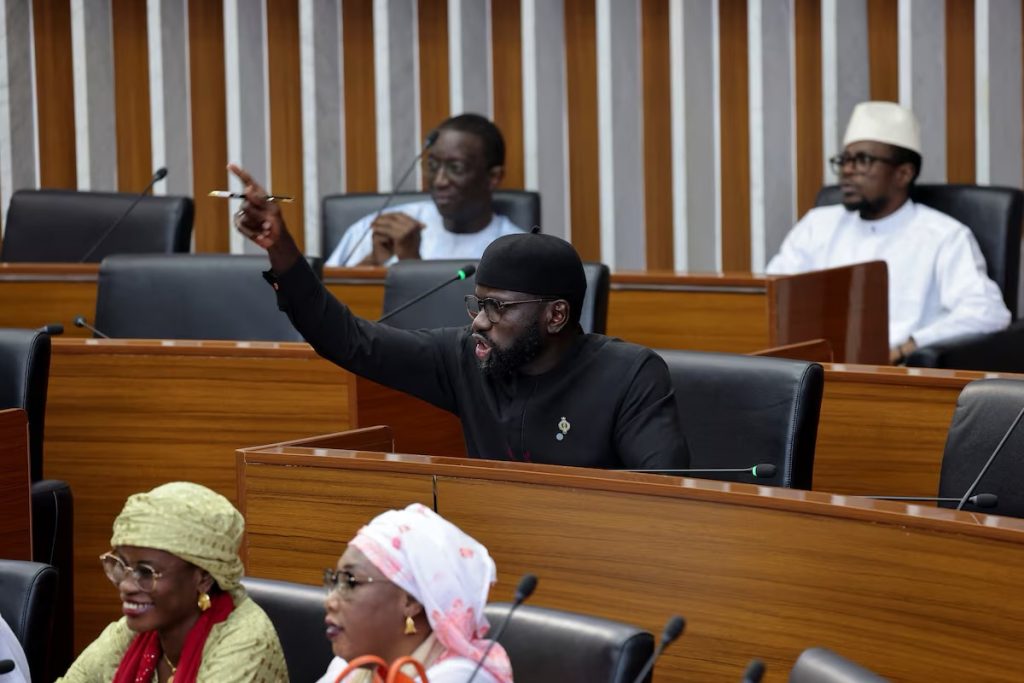
Serigne Abdoulahad Ndiye, a lawmaker from Senegal’s ruling Pastef party, gestures while speaking during a parliamentary debate on a proposed bill that would double the maximum penalty for same-sex sexual acts to 10 years and criminalize the promotion of homosexuality, in Dakar.
The Political Figures Behind the Bill
The push for stricter penalties was closely tied to the political agenda of Senegal’s current leadership.
Ousmane Sonko – Prime Minister
The legislation was introduced by Prime Minister Ousmane Sonko, who argued that Senegal needed tougher penalties for homosexuality.
Sonko framed the law as a response to what he described as growing international pressure to normalize LGBTQ rights, urging lawmakers to defend Senegal’s cultural and religious values.
Bassirou Diomaye Faye – President
President Bassirou Diomaye Faye previously campaigned on strengthening the country’s anti-LGBT laws, making the bill part of his administration’s political commitments after winning the 2024 election.
With the ruling coalition holding strong parliamentary support, the legislation moved quickly through the National Assembly.
Diaraye Ba – Member of Parliament
During parliamentary debate, MP Diaraye Ba drew attention after declaring that homosexuals would “no longer have freedom of expression in this country,” a statement that drew applause from some lawmakers.
Her remarks illustrate the intensity of political and cultural opposition to LGBTQ rights in Senegal’s legislative environment.
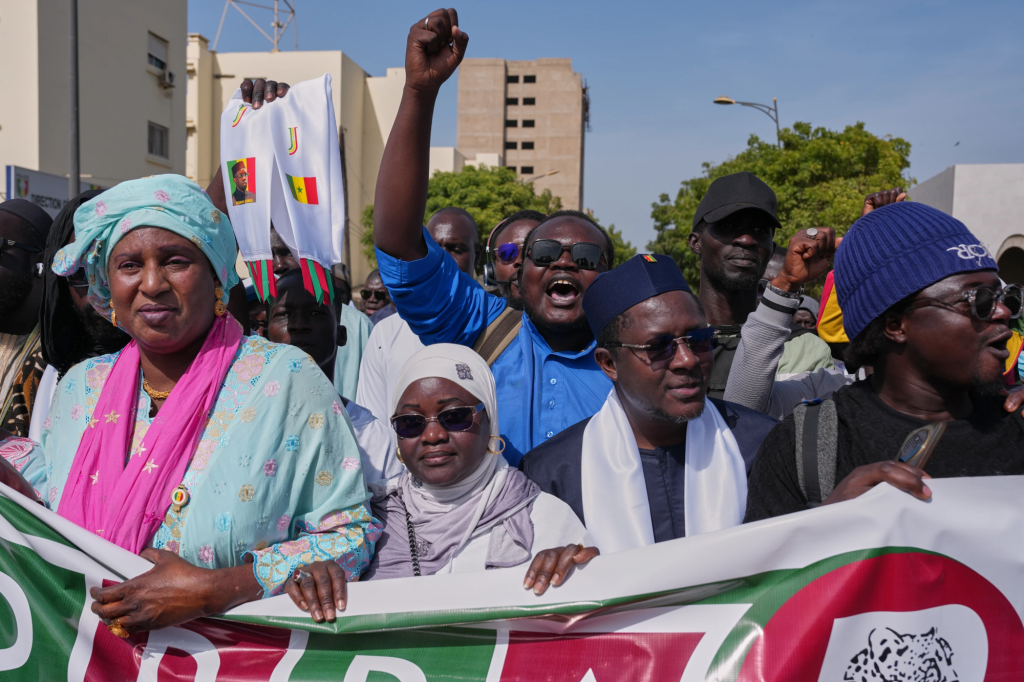
A Growing Trend
Senegal’s move comes amid a broader tightening of anti-LGBT laws across parts of Africa. Several governments in the region have recently introduced or expanded criminal penalties for same-sex relationships.
Supporters of these laws often frame them as protecting cultural values and resisting Western influence, while critics argue they violate basic human rights such as privacy, dignity, and freedom of expression.
What This Means for Queer People in Senegal
For LGBTQ people living in Senegal, the new law could deepen an already difficult environment.
Key implications include:
- Longer prison sentences for consensual same-sex relationships (10 years)
- Higher financial penalties for those convicted
- Potential criminalization of advocacy, organizing, or public support for LGBTQ rights
- Increased police surveillance and arrests
Human rights groups warn that stronger criminal penalties often lead to greater social stigma and violence against queer people, even beyond the legal system. (Human Rights Watch)
The Bigger Question Moving Forward
While the law reflects the current political mood in Senegal, it also raises serious questions about the future of LGBTQ people in the country.
With harsher laws now in place and broad political backing behind them, many activists and observers are asking the same question:
What does safety, visibility, and survival look like for queer people in Senegal today?
